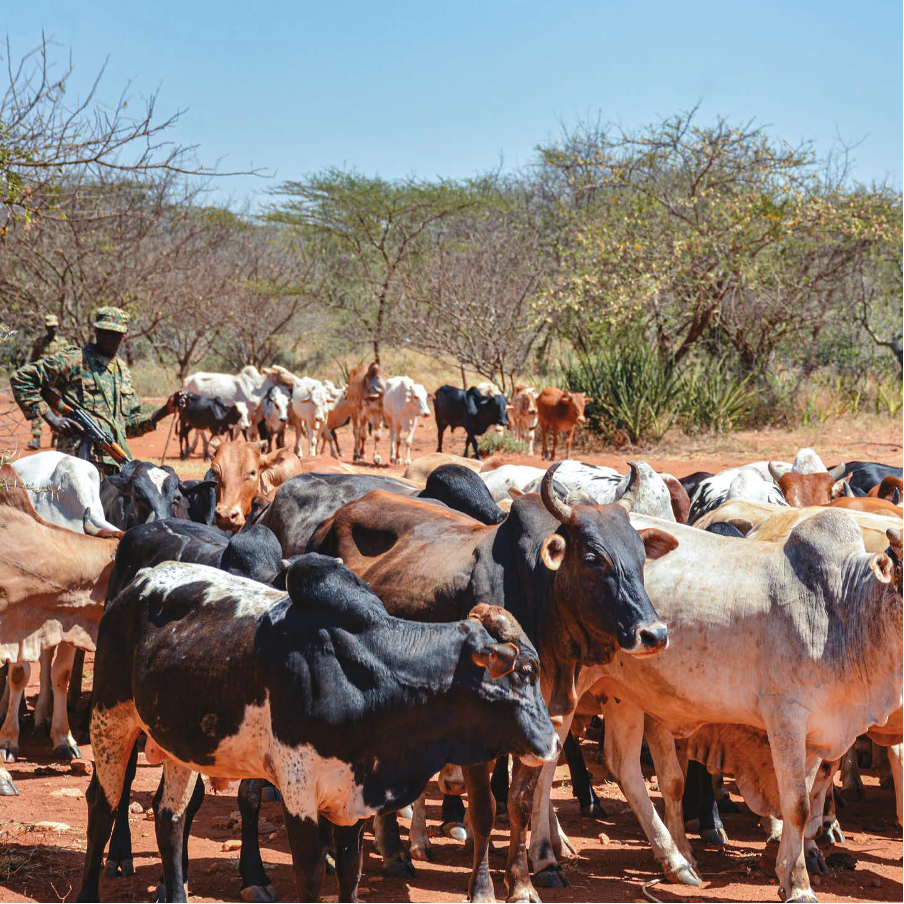
We foresaw the new frontier of conflict — and acted
Seeing the land conflict before it began — and leading the response.
Recognizing Land as the Emerging Battle ground in Pastoralist Regions
In 2015, while others focused on cattle raiding and border insecurity, we saw another threat emerging— land. Our analysis revealed that as climate pressures and investments expanded, land would become the new frontier of conflict in pastoralist areas.
That insight became action. Through research on communal tenure, we supported Communal Land Associations (CLAs) to secure ownership rights. We engaged policy makers under Uganda’s Land Policy (2013) and Land Act (Cap. 227) to protect pastoralist territories.

Our advocacy informed new district ordinances on communal tenure and led to government consultations before land allocations.
Shaping Uganda’s Earliest Civil Society Response to Land Governance
Today, our partnerships with FAO, GIZ, and UNDP help connect customary tenure systems tonational land administration, ensuring that traditional rights gain formalrecognition. By anticipating change and acting early, we redefined what pastoralist advocacy looks like: proactive, evidence-driven, and anchored in community knowledge.

Early warning on land conflict influenced policy; communal land ordinances adopted; pastoral tenure recognized in government frameworks.

Related impact

Pastoralist Rights & Advocacy

We Are the First Responders to Conflict

Our teams are the bridge between elders, government, and peace committees — acting fast to prevent violence and sustain peace across borders
Learn More
Resource Governance and Development

We Engage Government Strategically to Protect Pastoralist Food Systems

We’re changing how Uganda sees pastoralism — from “backward” to vital, climate-smart, and central to the nation’s food security
Learn More
Pastoralist Rights & Advocacy

We Are Shaping Pastoralist Knowledge from Within

We’re building a pastoralist-led research movement that informs national and global policy — ensuring knowledge flows from the ground up, not the top down
Learn More