Reframing pastoralism as a food and resilience system — not a problem to be solved
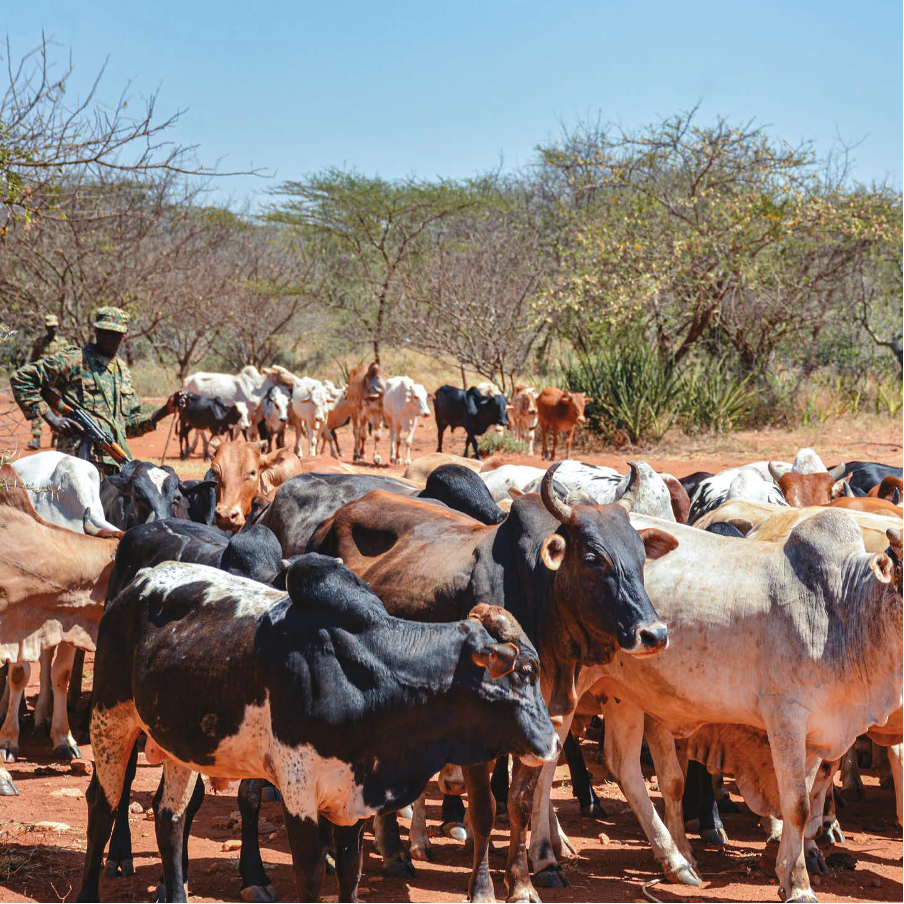
For years, pastoralist food systems were dismissed as inefficient — their mobile, multi-species herding misunderstood by conventional agriculture policy. Yet these systems feed millions, maintain ecosystems, and build resilience against drought
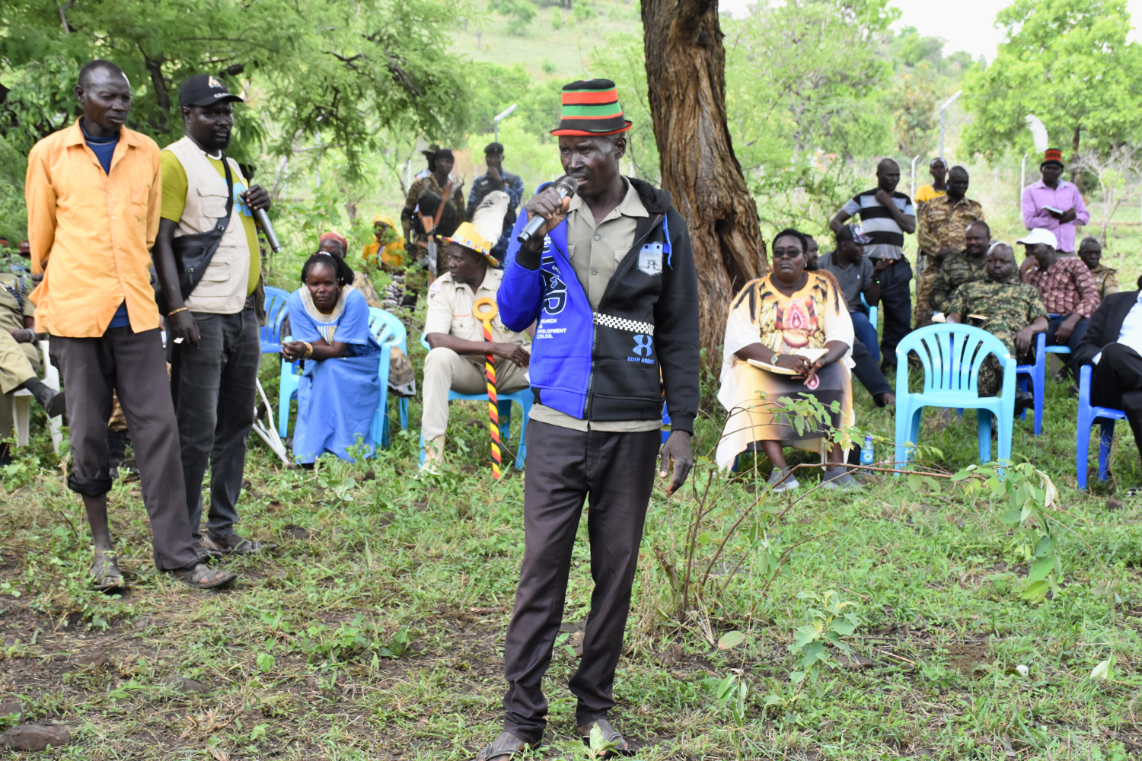
We’ve worked to change this narrative. Through partnerships with MAAIF, FAO, and district planners, we advocate for pastoral production to be recognized as a legitimate component of Uganda’s food security strategy. Our work under the FAO–COPACSO TAPE process generated data on agro-ecological practices in Karamoja, informing Uganda’s National Development Plan IV and the Karamoja Resilience Programme Framework.
By presenting evidence from the ground — not assumptions — we helped shift policy discourse from“subsistence” to climate-smart pastoralism. Today, pastoral food systems are being integrated into national sustainability reporting, securing their place in both development and climate adaptation frameworks.
Pastoral food systems are recognized in national policy; data from KHH research integrated into Uganda’s sustainable food systems reporting.