Rethinking Climate and Conflict in the Karamoja Borderlands
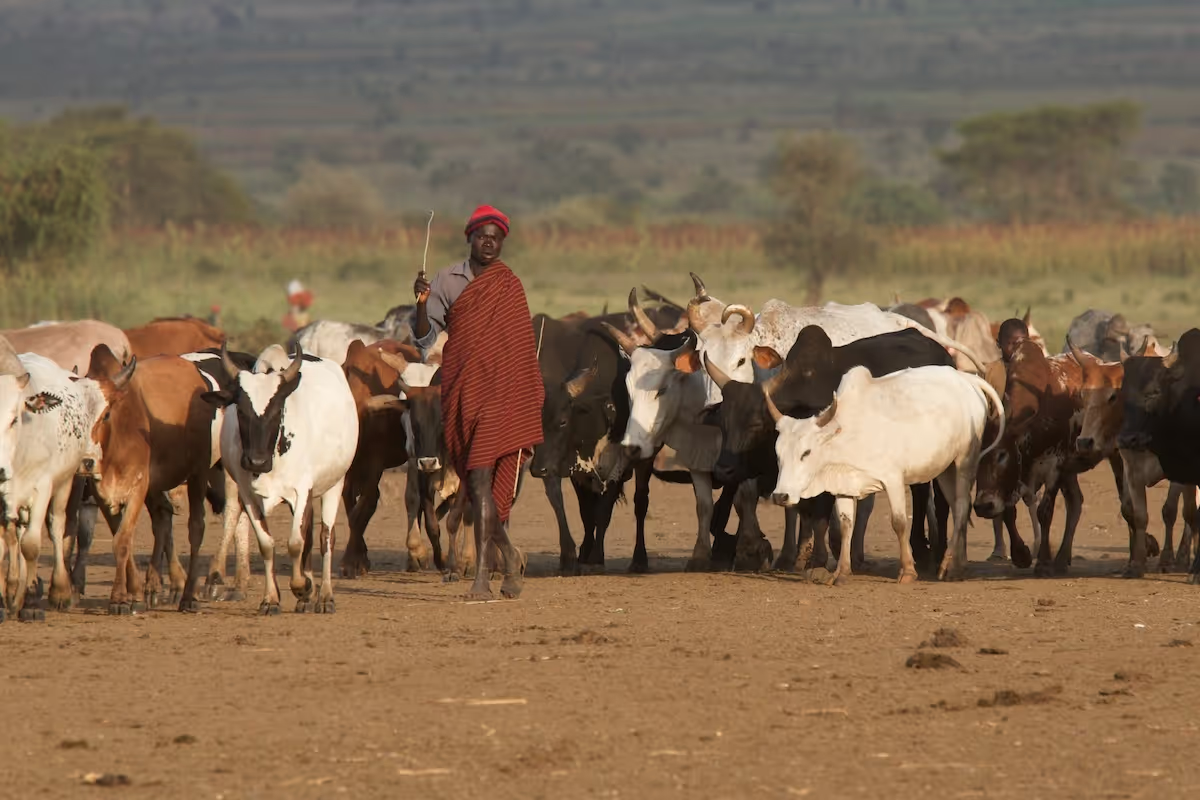
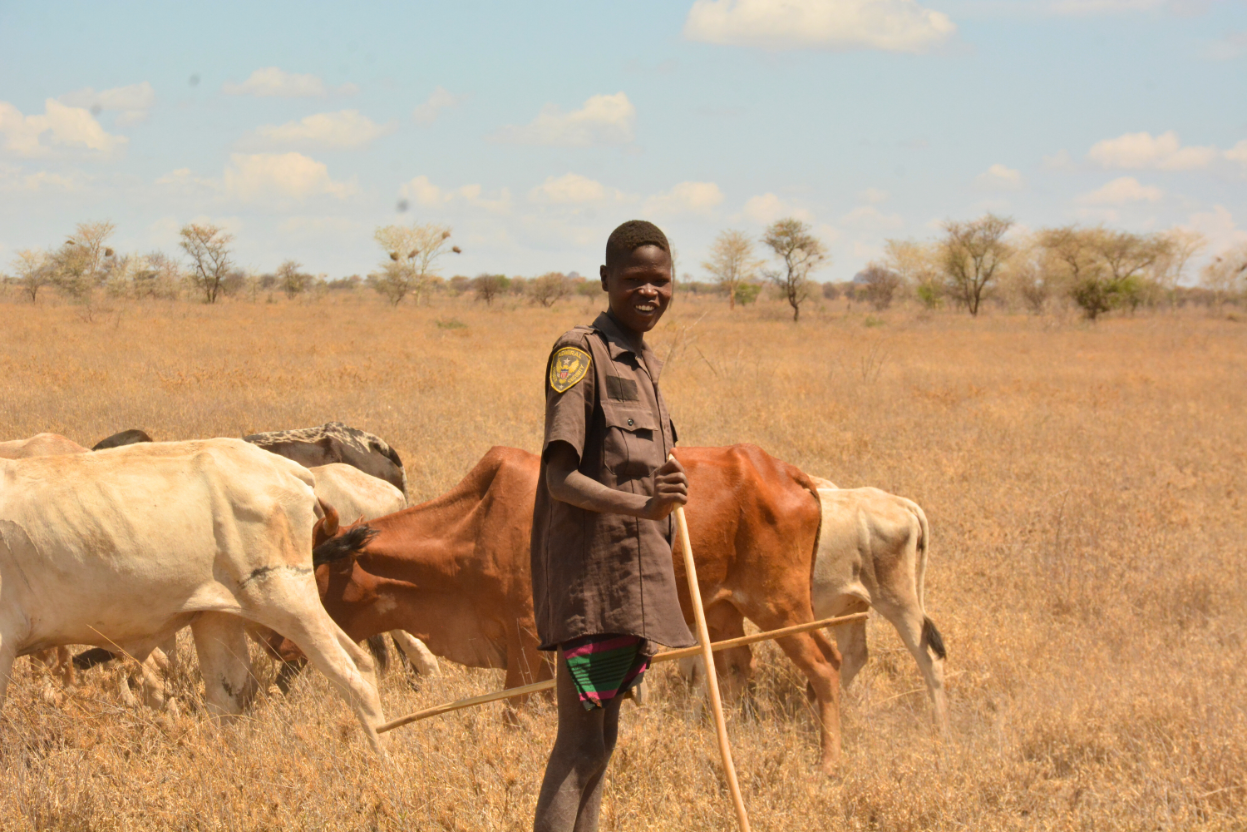
Pastoralists in the Karamoja Cluster face increasing climate pressures, from severe droughts to shrinking rangelands and heightened mobility challenges.
This new study reveals that climate change alone is not the main driver of conflict — politics, governance, and border dynamics often determine whether migration leads to cooperation or insecurity.
Herders of the Horn (KHH), in partnership with the Bonn International Center for Conflict Studies (BICC), has contributed to a landmark study published in the International Journal of Disaster Risk Reduction.
Titled Pastoral Conflict on the Greener Grass? Exploring the Climate–Conflict Nexus in the Karamoja Cluster, the research investigates how climate stress, insecurity, and livelihood shifts are reshaping pastoralist societies across the Uganda–Kenya border.
Rather than treating climate change as the sole driver of conflict, the study offers a more nuanced insight: climate shocks only become conflict triggers when combined with weak governance, disrupted mobility, political exclusion, and cross-border tensions.
In many cases, the very same conditions that could lead to violence—such as drought, scarcity, or migration—also generate opportunities for negotiation, cooperation, and resource-sharing.
When Climate Shocks Collide with Fragile Systems
Communities across the Karamoja Cluster face increasingly unpredictable rainfall, deeper droughts, and shrinking dry-season grazing reserves. These shifts have intensified pressure on scarce pasture and water points, making mobility both an essential survival strategy and a source of tension when poorly governed.
The study highlights:
— Drought intensifies competition over pasture and water
— Mobility is a coping mechanism—but vulnerable to border politics
— Conflicts emerge not from scarcity alone, but from poor governance
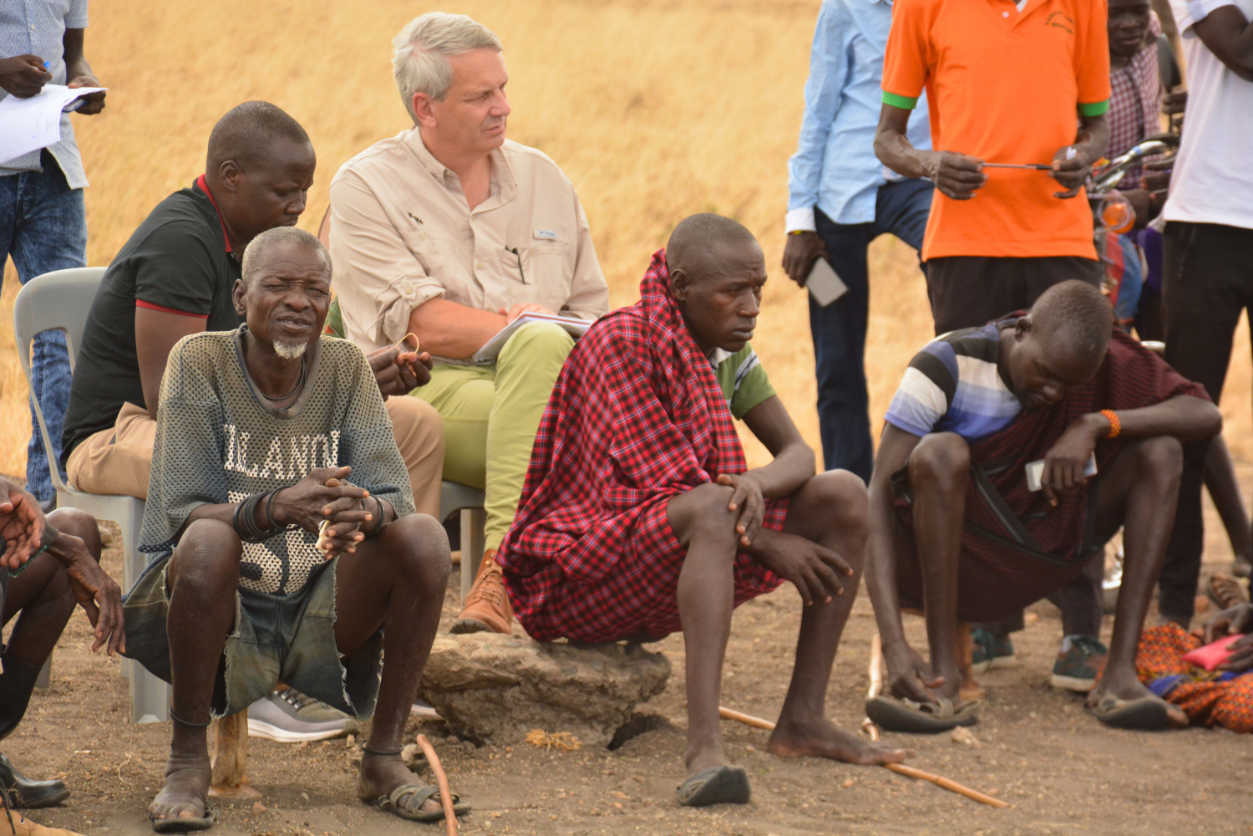
As one kraal elder explained during a field dialogue:
“The problem is not the drought. We have always moved when animals suffer. The problem is when we are stopped, fined, or accused at every border.”
The New Face of Livestock Raiding
Cattle raiding—once culturally embedded in rituals, reputation, and restitution—has taken on a very different character. Today, raiding is increasingly:
— Linked to commercial motivations, rather than traditional customs
— Facilitated by small arms, youth gangs, and illicit markets
— Influenced by border insecurity and elite manipulation
— Disconnected from the traditional elders’ justice system
This shift has eroded traditional controls, making peace agreements harder to enforce and community-led justice more fragile.
Adapting in a Changing Landscape
Despite mounting challenges, communities are actively adapting in innovative ways:
✔ Diversifying livelihoods — including charcoal trade, livestock markets, petty trade, and cross-border commerce
✔ Negotiating local peace agreements — including grazing access, water use, and migration arrangements
✔ Strengthening peace committees — linking elders, youth, women, and local governments
✔ Expanding women’s roles — in early warning, peace mediation, and household resilience
However, adaptations often carry unequal burdens, especially for women and girls, who face increased labor responsibilities, caregiving roles, exploitation risks, and reduced access to resources.
When Interventions Help — and When They Hurt
Importantly, the study finds that state security operations and aid programs can sometimes escalate tensions when they ignore local systems and realities. These interventions often:
— Restrict mobility — treating cross-border migration as illegal
— Disrupt traditional conflict resolution mechanisms
— Favor administrative boundaries over shared grazing corridors
— Exclude women, youth, and local institutions from decision-making
“When peace comes from the elders, it lasts. When it comes from the soldiers, it comes with fear — not agreement,”
shared a pastoral peace mediator in Amudat.
What Works: Principles for Peace and Resilience
To build peace that is both climate-aware and community-led, the study highlights three key principles:
1. Climate-Aware Strategies
Resilience must be built on an understanding of mobility, rangelands, and pastoralist adaptation strategies — not just on fixed infrastructure or sedentary models.
2. Conflict-Sensitive Planning
Interventions must recognize the role of cross-border grazing agreements, traditional negotiations, and informal peace committees that operate beyond state boundaries.
3. Community-Owned Solutions
Pastoralist agency — especially from women, youth, and local institutions — must be central to designing and implementing programs.
A Voice for the Drylands on the Global Stage
As a partner in this study, Herders of the Horn is proud to bring pastoralist experiences into global climate and policy debates. This work reflects our mission: to produce evidence that strengthens pastoralist agency, informs policy, and elevates communities’ own solutions to climate and conflict.
By centering local voices and practices, we help shift the narrative — from viewing pastoralists as vulnerable victims — to recognizing them as innovators, negotiators, and climate knowledge holders.