Funding Inequity: Karamoja Left Behind
A comprehensive review by Herders of the Horn (KHH) has revealed that Karamoja consistently receives less public financing per capita than other regions in Uganda, despite being one of the most vulnerable to poverty, climate shocks, food insecurity, and conflict.
While government allocations to national development programmes have grown over the past decade, Karamoja’s funding has stagnated or declined relative to need.
Pastoralist Livelihoods — The Most Neglected Sector
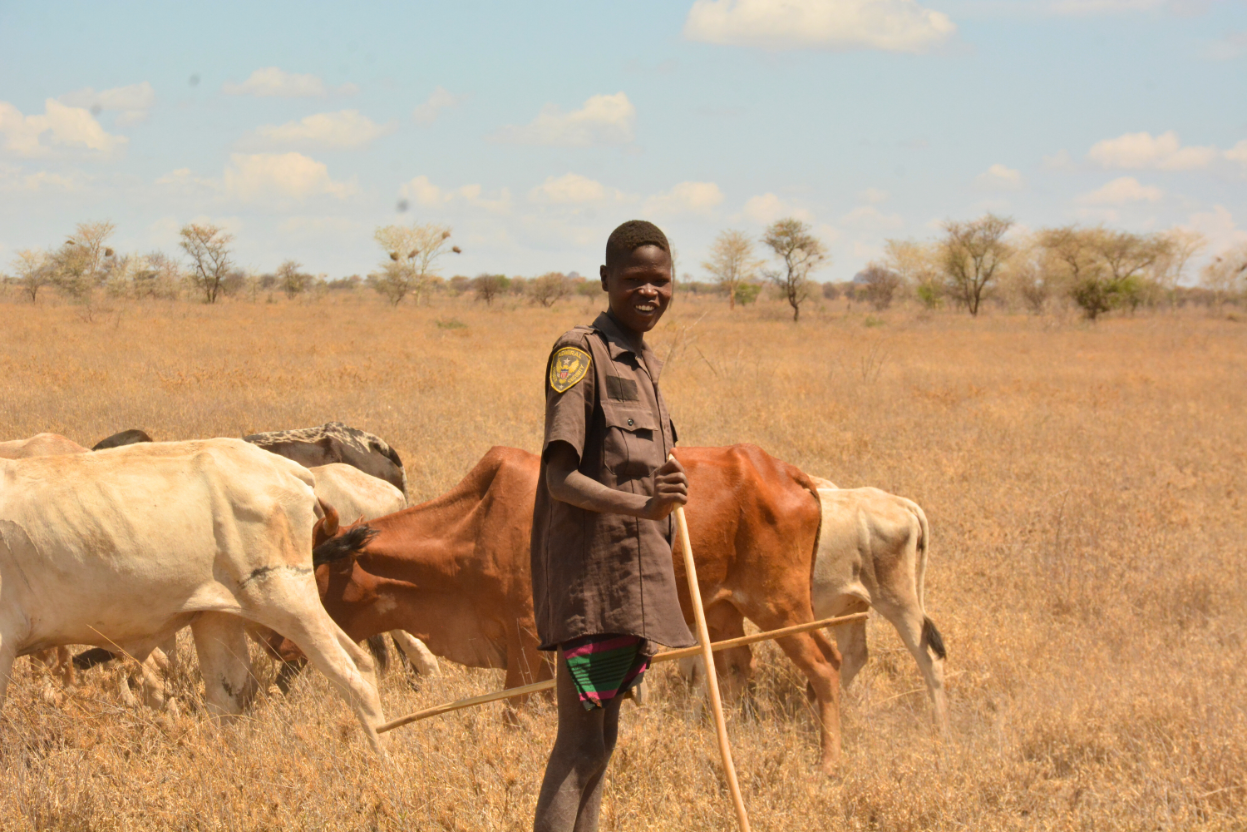
In a region where more than 80% of households depend on livestock, mobility, and rangelands, funding for the pastoralist economy remains shockingly low — less than 15% of total financing.
Most funding is directed toward:
✔ Social service delivery (health, education, relief)
✔ Food aid and humanitarian distribution
✔ Short-term emergency programs
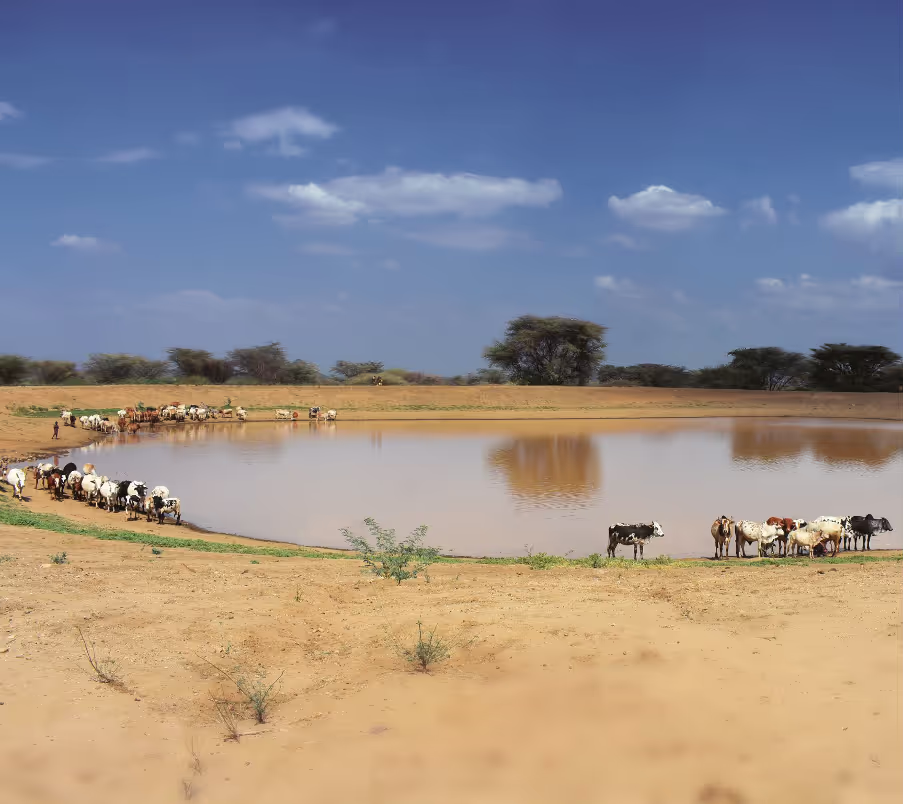
Meanwhile, key systems that sustain resilience — grazing management, livestock health, water for production, mobility infrastructure, drought planning, and markets — receive minimal support.
Karamoja’s pastoralist economy is not just a livelihood — it is a national asset. Livestock trade, cross-border mobility, drought resilience, and cultural heritage all contribute to regional stability. Ignoring it risks deeper inequality, aid dependency, and recurring crises.
To build resilience and dignity, investments must reflect pastoralist priorities — not just humanitarian trends.


.webp)