USAID Exit Exposes Fragility in Uganda’s Development System — Karamoja Hit Hardest
When USAID pulled out, Karamoja lost essential services for 1.2 million people — from veterinary care to water and livelihoods.
A Turning Point for Uganda’s Aid System
In 2025, USAID — Uganda’s largest bilateral donor — terminated its grants and contracts, removing over USD 400 million annually from the national development landscape.
Karamoja was disproportionately affected. Nearly $100 million per year in USAID support funded health, education, food distribution, pastoral livelihoods, veterinary services, and water-for-production programs. With this funding removed, many systems collapsed almost overnight.
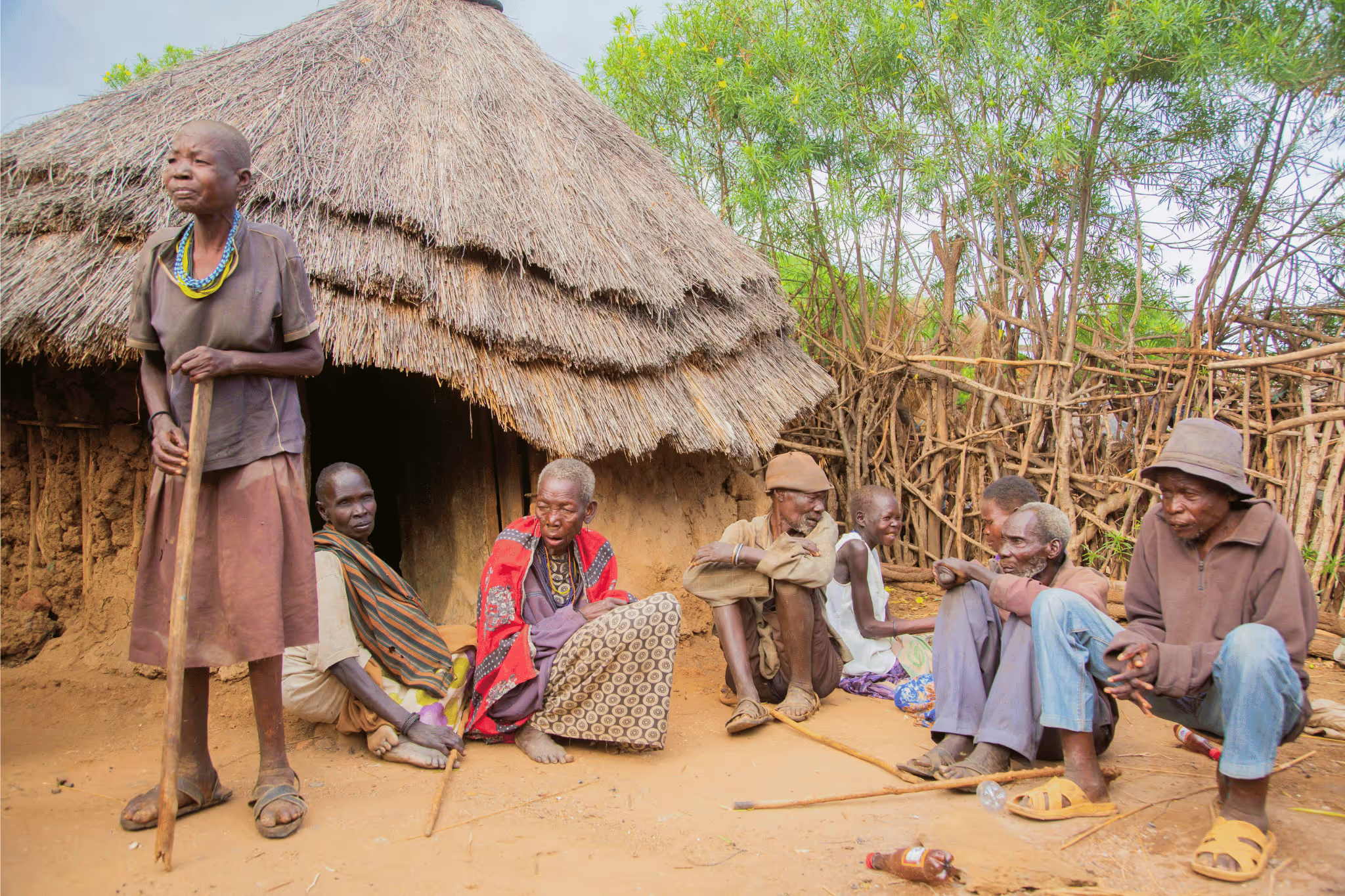
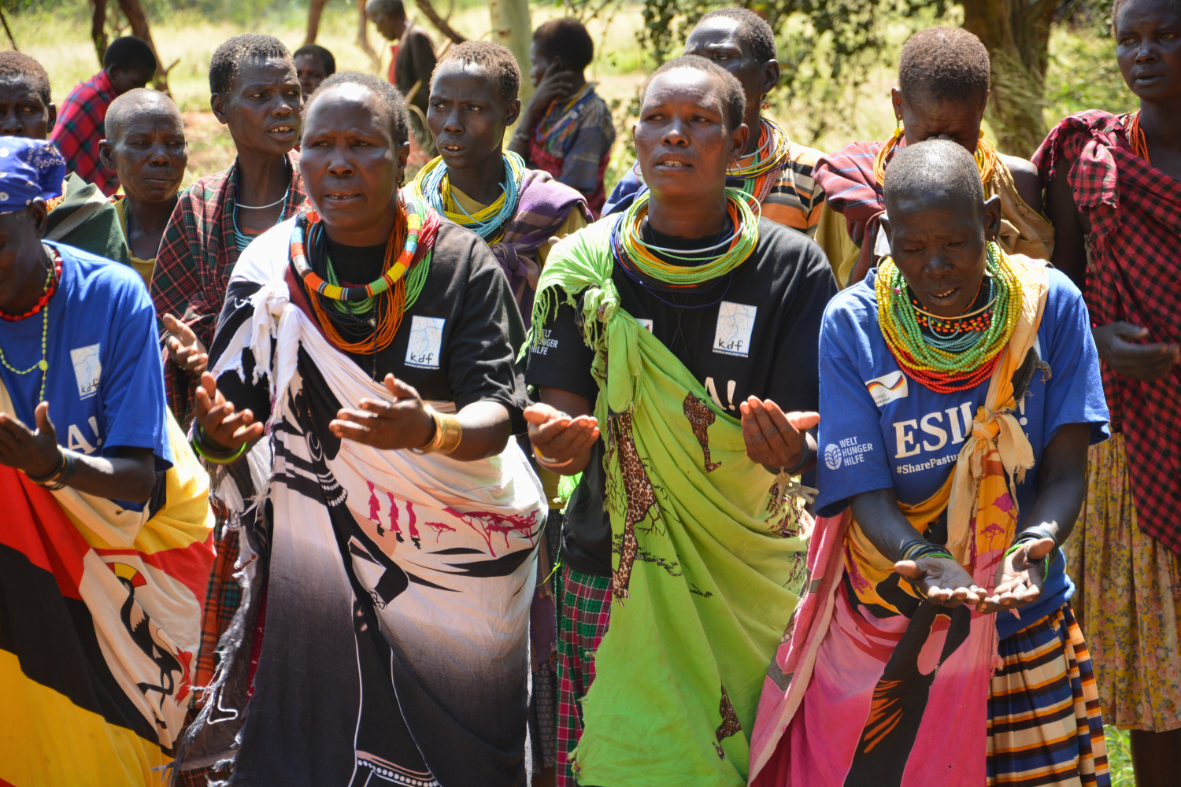
The Human Impact on Karamoja
With USAID’s exit:
❌ Veterinary extension services stopped
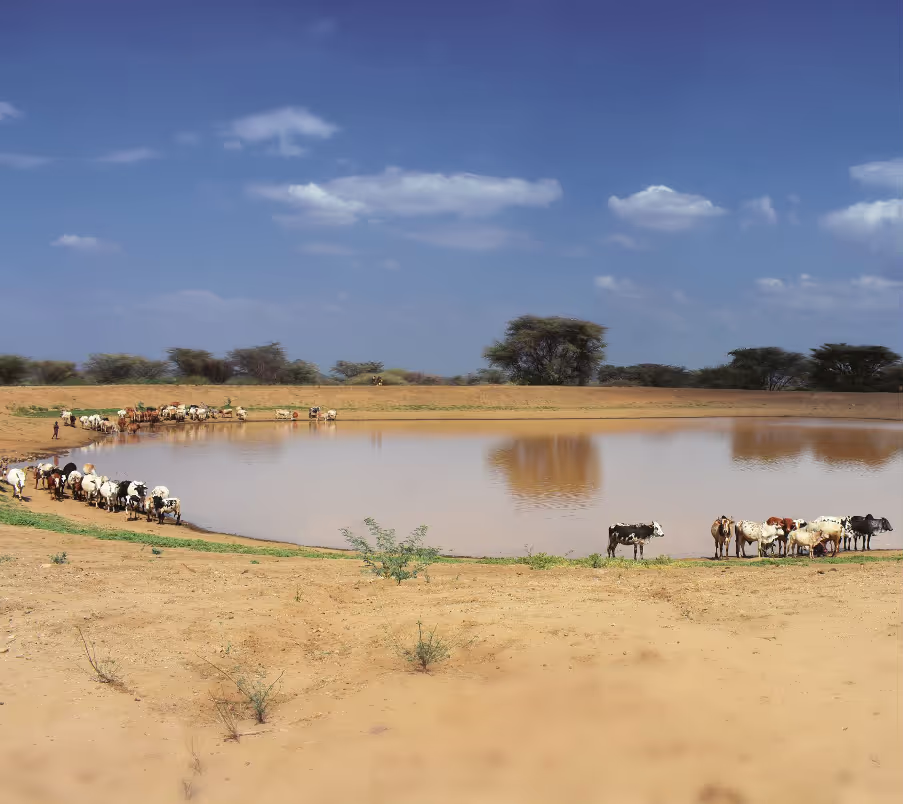
❌ Market and water infrastructure maintenance halted
❌ Schools lost essential resources
❌ Food aid pipelines broke down
❌ Jobs and livelihoods tied to aid contracts disappeared

More than 1.2 million people across Karamoja were directly affected — pushed deeper into vulnerability just as climate shocks and market failures intensified.

Why the System Collapsed
The exit revealed a deeper structural flaw:

Over 90% of donor financing in Karamoja bypasses national systems, flowing through NGOs and international agencies instead of strengthening government institutions.

As a result:

❌ Local governments had limited capacity to sustain services
❌ Community systems were insufficiently resourced
❌ Dependency replaced resilience
Implications for Uganda at National Level
Beyond Karamoja, USAID’s exit disrupted:
— HIV/AIDS programs in central and western Uganda
— Refugee support in northern Uganda
— Maternal health services countrywide
— Disaster response systems in drought-prone regions

Since USAID contributed up to 30% of Uganda’s annual development financing, no single donor can replace the gap.
What Needs to Change
KHH’s assessment calls for a major shift in development strategy:
✔ Build government and community systems — not just deliver projects
✔ Rebalance funding to under-served regions like Karamoja
✔ Invest in sustainable livelihoods — not temporary relief
✔ Reduce dependency on single-donor financing pipelines

This crisis is not just a funding issue — it is a wake-up call.
Uganda needs a financing approach that strengthens national systems, supports regional equity, and places pastoral communities at the center of resilience building. Resilience cannot depend on aid that can be withdrawn at any moment.

Related insights

8 min read

Pastoralist Negotiation & Resilience Across the Horn of Africa

Pastoralist negotiation systems are sustaining mobility and resilience despite growing climate and resource pressures.
Read post
8 min read

Making Peace in Pastoralist Regions: Traditions, Resolutions, and Their Limits

Traditional peace mechanisms continue guiding justice and conflict resolution where formal systems often fail.
Read post
8 min read

Climate, Conflict, and Pastoral Resilience in the Karamoja Cluster

A groundbreaking KHH and BICC study reveals that climate change does not automatically cause conflict in the Karamoja Cluster
Read post