The Nabilatuk Resolution: “Innocent Cows” and Local Justice
Traditional peace systems across the Horn of Africa—including the Nabilatuk Resolution in Uganda—offer community-driven models of justice where state policing is weak. These mechanisms reveal both the strengths and limitations of pastoralist-led conflict resolution.
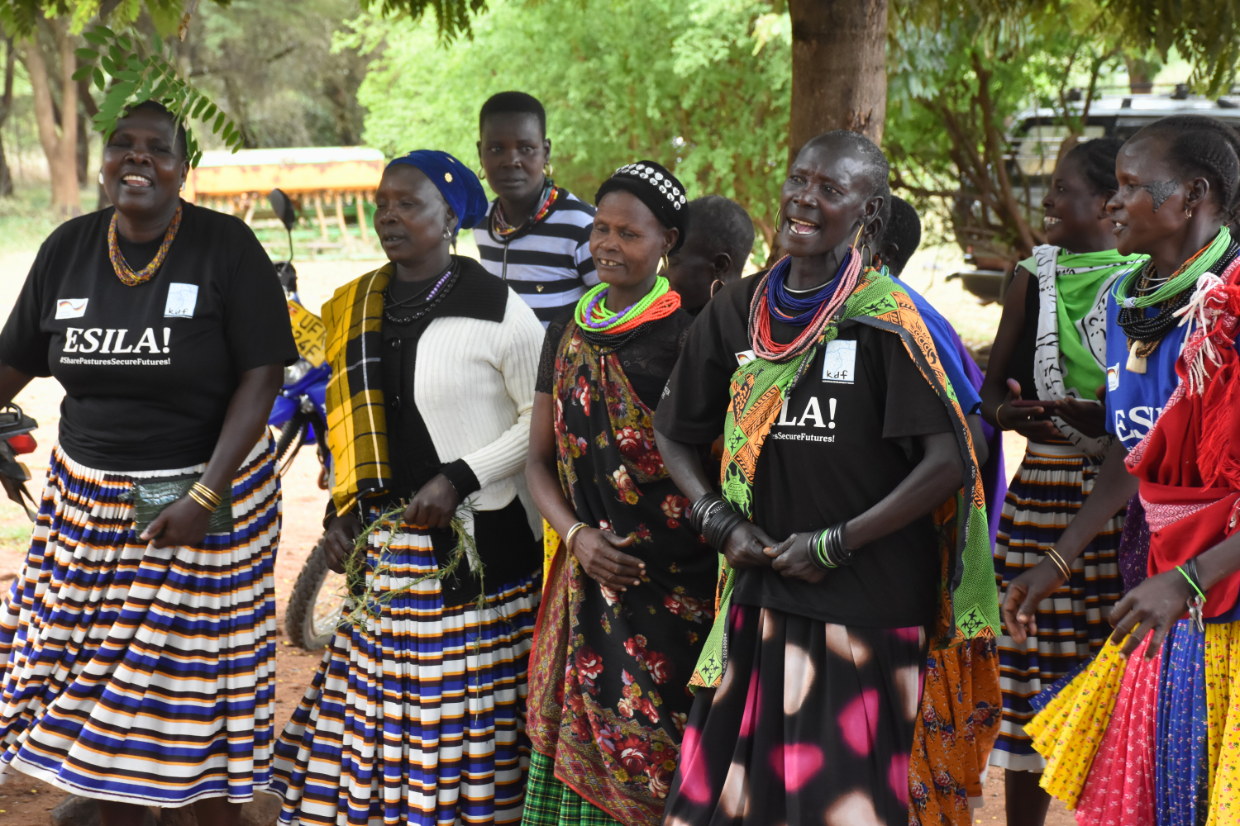
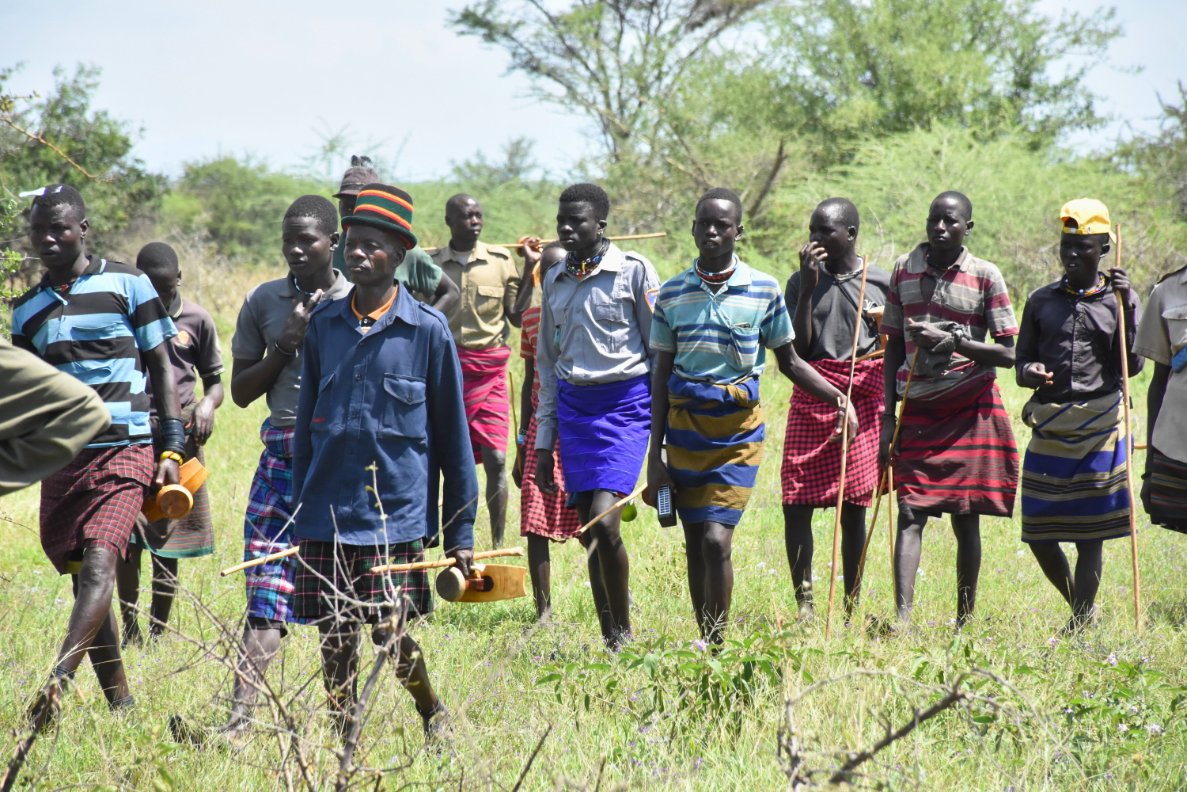
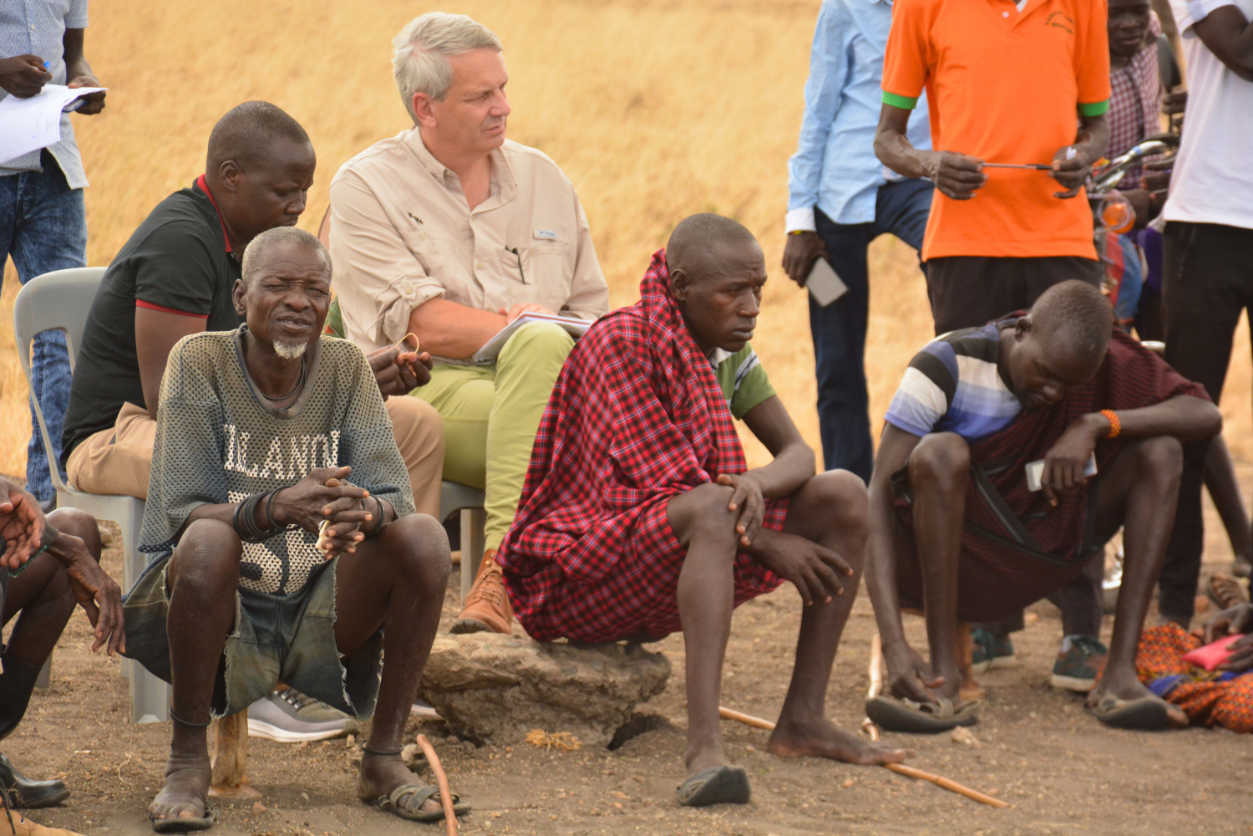
In 2012, two years after Uganda’s disarmament campaign in Karamoja, communities were grappling with renewed cattle theft. Fearing a return to violent raids, elders, peace committees, the military, and civil society leaders crafted the Nabilatuk Resolution (similar to the Moruitit Resolution).
Its core principle was simple:
“If you steal one cow, youpay back two plus one (X2+1).”
— The stolen cow returned to its owner
— Double compensation paid by the offender
— The “+1” rewarded elders and peace committee members who facilitated recovery
The system rested on collective responsibility—if the culprit could not pay, their family or clan became liable.
Supporters argue this keeps communities invested in peace. Critics say collective punishment unfairly penalizes innocent families. The common phrase—“those cows are innocent”—captures this tension.
Traditional Peace making Across the Horn
The Nabilatuk Resolution is one example among many pastoralist-led justice systems:
— Lokiriama Peace Accord (Kenya–Uganda, 1974):
A cross-border peace pact between Turkana and Karimojong elders, renewed over decades.
— orana Gadaa System (Kenya/Ethiopia):
A democratic, age-set governance system regulating resources, justice, and reconciliation.
— omali Xeer System:
A deeply entrenched customary law emphasizing restitution and collective responsibility.
— Afar Mediation Traditions:
Consensus-driven processes to resolve blood feuds and resource disputes.These systems share acommon ethic: justice is about restoring relationships, not punishing offenders.
Strengths and Short comings of Traditional Systems
Strengths:
— Reduce revenge cycles
— Maintain negotiated access to shared resources
— Offer legitimacy in places where state systems are absent
— Deliver quick, trusted resolutions
Shortcomings:
— Collective responsibility may undermine fairness
— Limited alignment with national laws creates confusion
— Risk of manipulation by elites or armed actors
— Limited inclusion of women, youth, and marginalized groups
Towards Hybrid Peace
Pastoralist regions continue to face violence, climate shocks, and political instability. The challenge is not to discard traditional systems, but to align andstrengthen them:
— Review resolutions with communities
— Link customary systems to state justice frameworks
— Ensure broad inclusion
— Recognize these mechanisms in cross-border peace processes
Peace Is Negotiated, Not Given
Across the Horn, pastoralist communities remind us that peace is built from the ground up—through dialogue, restitution, and shared resource use. As climate stress and militarization intensify, these systems offer critical entry points for building durable peace and justice.