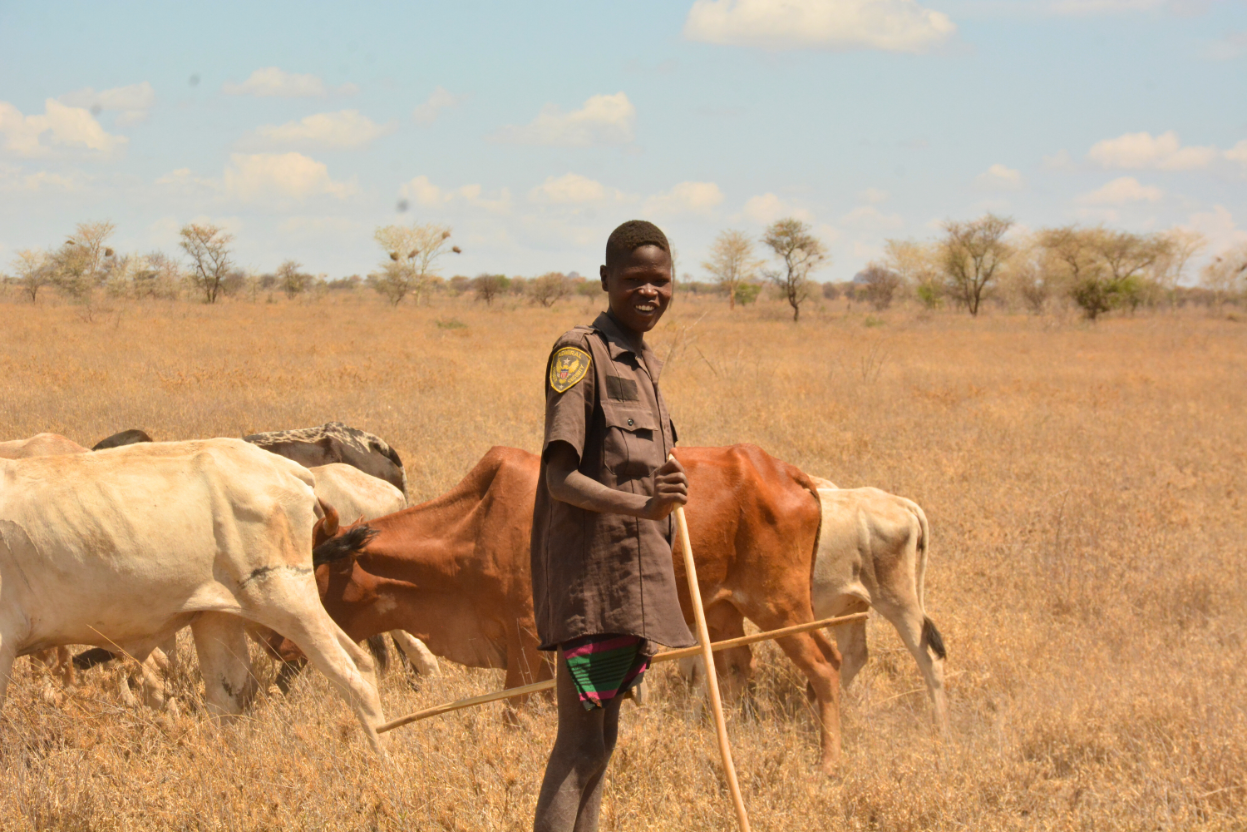
The Development Challenge in Karamoja
Karamoja remains one of Uganda’s most aid-dependent regions, yet it continues to face poverty, food insecurity, and recurrent crises. The question is no longer about how much aid is flowing into the region — but how it is structured, coordinated, and connected to long-term development systems.
Our latest research, Karamoja Development Architecture 2025, reframes development not as a collection of isolated projects, but as a system of interdependent actors, financing flows, relationships, and coordination structures.
What the Research Reveals
One of the most striking findings is that over 95% of donor financing bypasses government systems, instead flowing through international NGOs, UN agencies, and private contractors.
Only 4.8% of projects are directly implemented through local government structures.
This model ensures service delivery in the short term — but it also:
— Undermines government ownership and capacity,
— Creates fragmentation and duplication,
— Limits alignment with Uganda’s long-term development goals, and
— Entrenches dependency rather than resilience.
The recent USAID exit from Uganda in 2025 exposed the fragility of this model. When major aid pipelines were withdrawn, vital services like veterinary care, food distribution, water systems, and employment collapsed almost overnight — especially in Karamoja.
Strengthening Karamoja’s development architecture is not just about fixing aid.
It is about:
✔ Protecting national resilience
✔ Reducing long-term dependency
✔ Giving local communities agency
✔ Building systems for sustainable development
When development is built with government and with communities, the region moves from dependency to dignity.