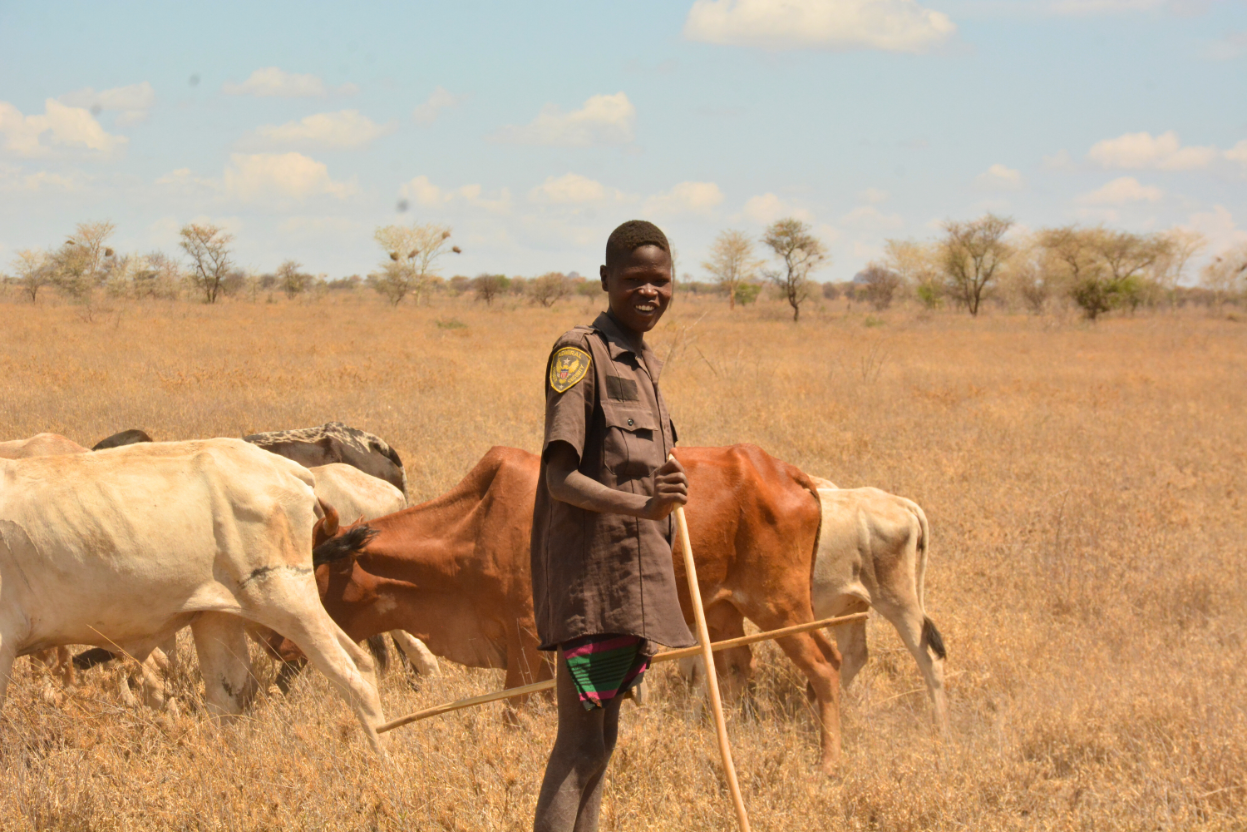
Climate Pressures and Pastoralist Adaptation
Pastoralists across the Horn are confronting unprecedented climate stress, from deeper droughts to shrinking pastures and shifting borders. Amid these challenges, communities are drawing on long-standing negotiation systems to maintain peace, mobility, and shared access to life-sustaining resources.
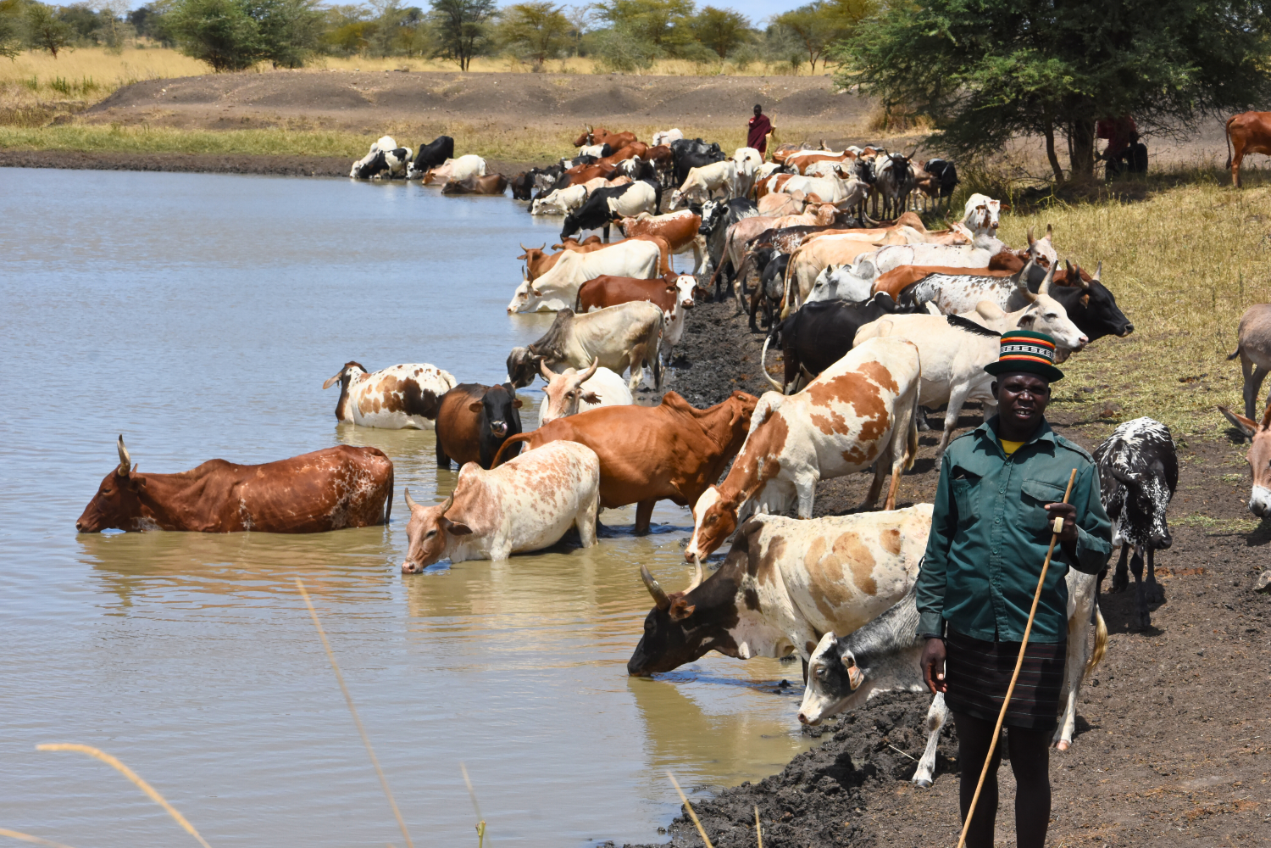
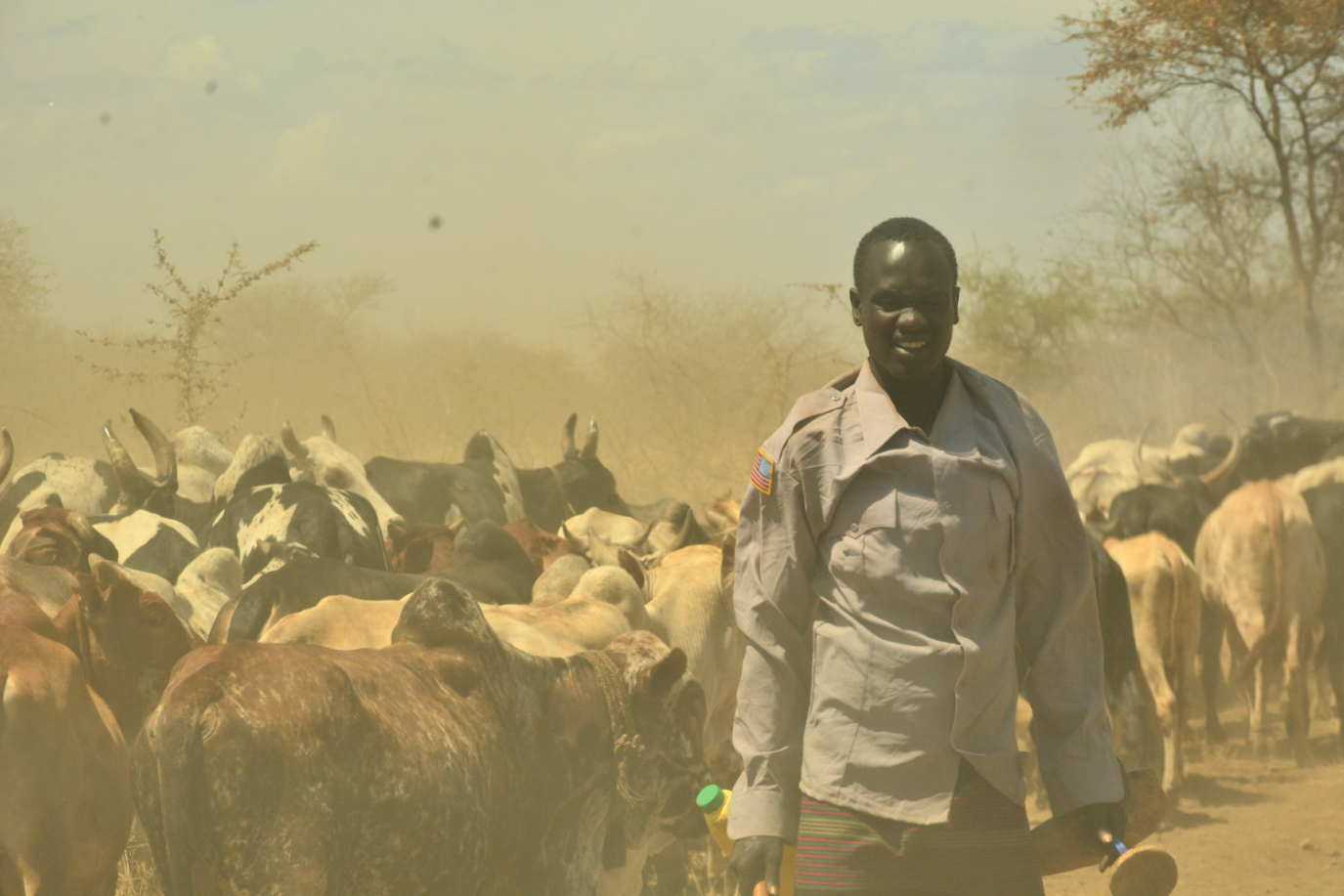
Across the Horn of Africa, pastoralists stand at the frontline of climate change. Increasingly erratic rainfall, prolonged drought, and rising temperatures are forcing herders to move more frequently and over longer distances.
Yet mobility alone is no longer enough. Expanding land use, new investments, administrative boundaries, and contested territories are complicating traditional routes and heightening conflict risks.
In this context, pastoralist agency—expressed through deeply rooted negotiation mechanisms—remains essential for survival.
Etamam: Negotiating Survival in Karamoja
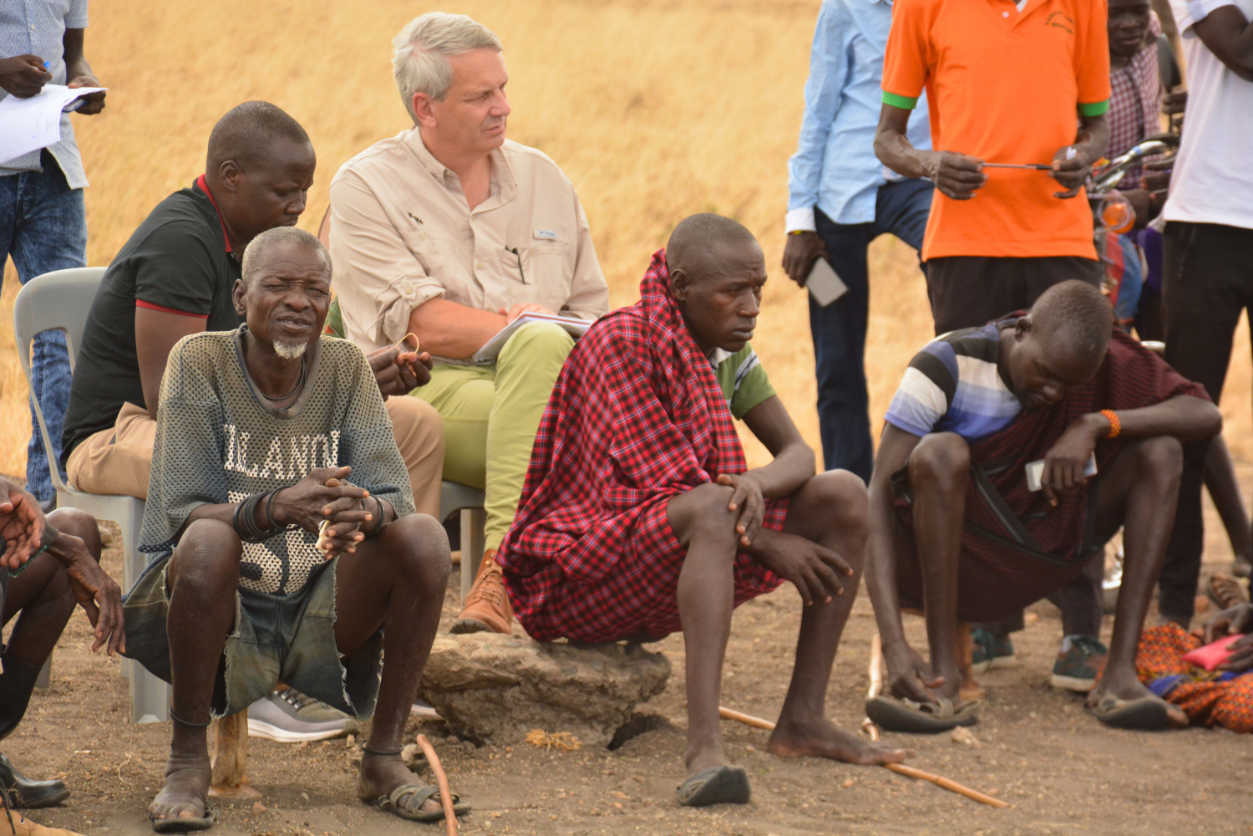
In Karamoja, Etamam(meaning “sending the message”) is a long-standing mechanism used to request access to water, grazing, or refuge during periods of scarcity. Elders send these messages to host communities, seeking permission and establishing conditions for peaceful coexistence.
In Kobebe grazing area—home to over 70 grasslands and 20 watering points—Etamam has facilitated cooperation among Matheniko, Jie, Dodoth, Bokora, and Turkana herders. Negotiations determine when and where groups graze, how to share water, and how disputes are resolved.
As one elder shared:
“Kobebe is the water ofpeace. Thirst does not know status, tribe, or rank. When it hits us, we allspeak one language.”
Lessons from the 2020–2023 drought
The 2020–2023 drought—the Horn’s worst in over forty years—devastated herds, displaced millions, and pushed households to crisis levels. Yet pastoralist responses across the region demonstrate profound resilience:
— Borana herders (Kenya/Ethiopia) revived grazing reserves and adopted forage conservation practices.
— Maasai communities diversified herds with more camels and donkeys, adjusting migration timing.
— Somali and Afar groups relied on cross-clan negotiation to secure passage across contested territories.
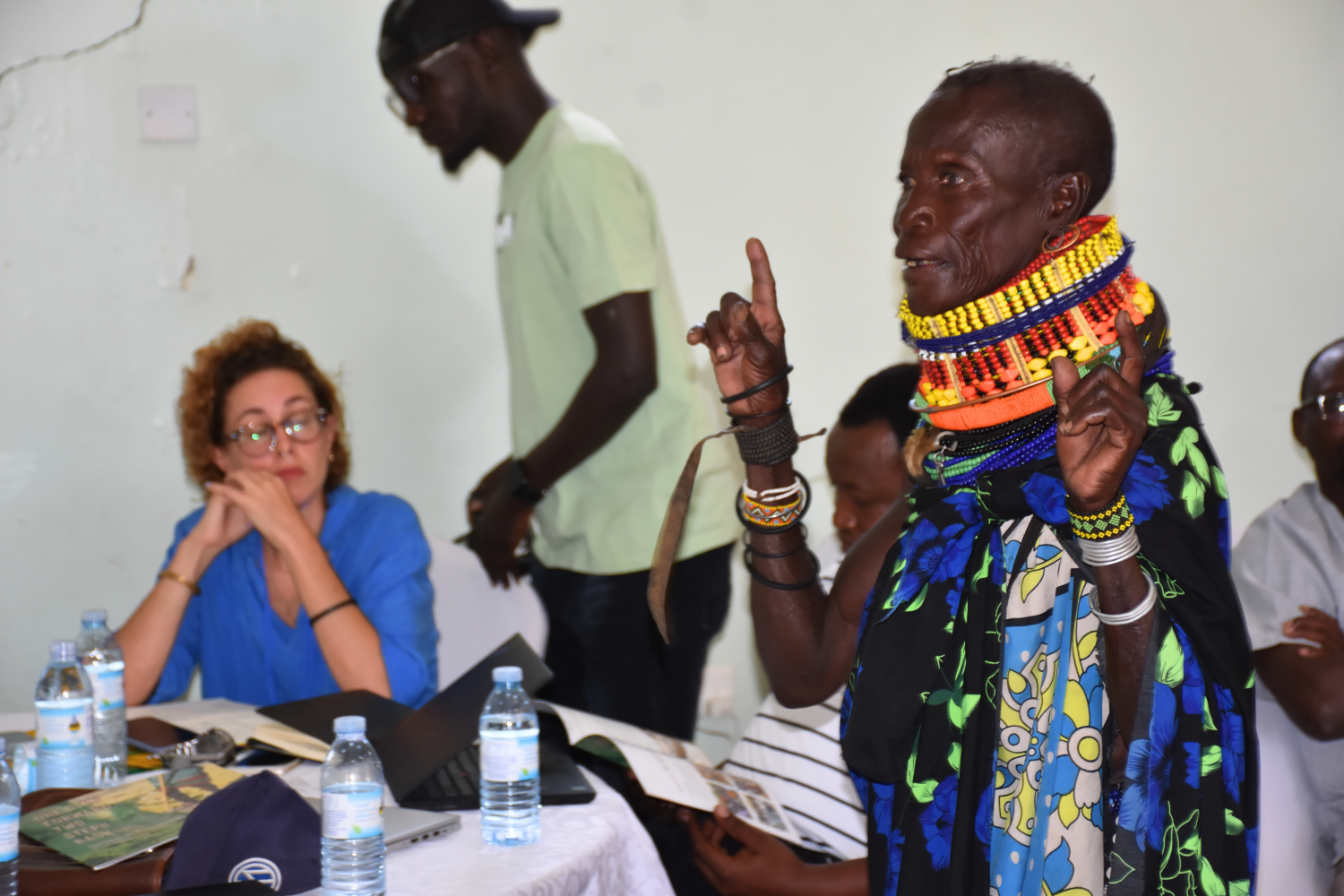
These strategies reveal how women and youth are increasingly engaged in decision-making, early warning, and resource planning—strengthening resilience while transforming traditional gender roles.
Shared Systems, Shared Futures
Across the region, key lessons emerge:
1. Negotiation systems mustlead climate adaptation
Mechanisms like Etamam and clan-level grazing accords are living institutions—flexible, legitimate, and effective.
2. Cross-border mobility isessential
Drought does not respect national boundaries. Resource-sharing must be recognized at regional levels.
3. Women and youth are critical actors
Their roles in planning, peacebuilding, and household resilience strengthen community responses.
4. Traditional institutionsremain vital
Where governments area bsent or mistrusted, councils of elders and kraal leaders continue to mediate access, regulate movement, and prevent conflict.
Together we succeed, Alone we fail
From Kobebe in Uganda to Borana in Ethiopia and Kenya—and across Somali and Afar grazing plains—the resilience of pastoralist communities is built on solidarity, negotiation, and tradition.
As one young herder explained:
“We give water to theTurkana. But first they send Etamam to our elders. That is how peace is kept.”
In an era of climate uncertainty, these systems offer powerful lessons for policy makers: local institutions must be at the center of regional adaptation and cooperation.