Pastoralism, Governance, and Agency in the Borderlands
Pastoralist leadership in the Karamoja–Turkana borderlands is not theoretical—it is lived daily through negotiations over pasture, security, and survival. New findings from KHH and Friends of Lake Turkana reveal how communities govern themselves through complex systems of trust, mobility, and informal authority where state institutions remain weak or absent.
In the borderlands of Karamoja and Turkana, questions of leadership, authority, and resource governance are not abstract—they shape whether herders access pasture, recover stolen livestock, or resolve disputes peacefully. For many pastoralist communities, the state is often distant, unresponsive, or present only through coercive security operations.
Yet pastoralists have not been passive recipientsof governance failures. They have continuously built, negotiated, and adaptedtheir own systems of authority, even as these systems come under pressure fromshifting political, economic, and social forces.
Our ongoing action research with Friends of Lake Turkana (FoLT), supported by IDS and the XCEPT programme,underscores this reality: pastoralist agency remains central to navigating trust, leadership, and resource governance in fragile border contexts.
Agency Through Informal Leadership
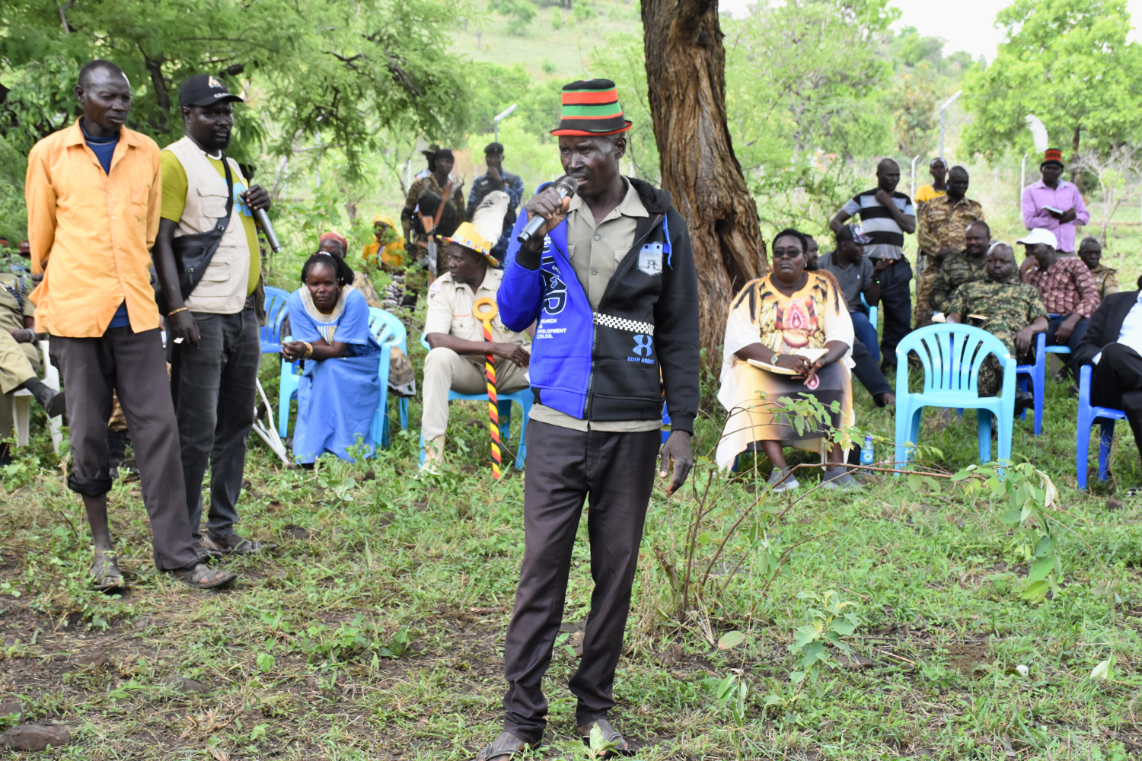
Stories emerging from kraals in Kaabong, Kotido, and Turkana West highlight how authority is rooted not in formal titles, but in mobility, herd management, negotiation skill, and practical outcomes. Kraal leaders earn legitimacy through their ability to protectlivestock, secure grazing routes, foresee threats, and negotiate support frompolitical and administrative actors.
One such leader, Dapalof Nakitong’o, explained:
“My people trust me becauseI moved with them and protected their livestock. I found pasture for them. Inegotiated food and security. Leadership is about what you do, not your title.”
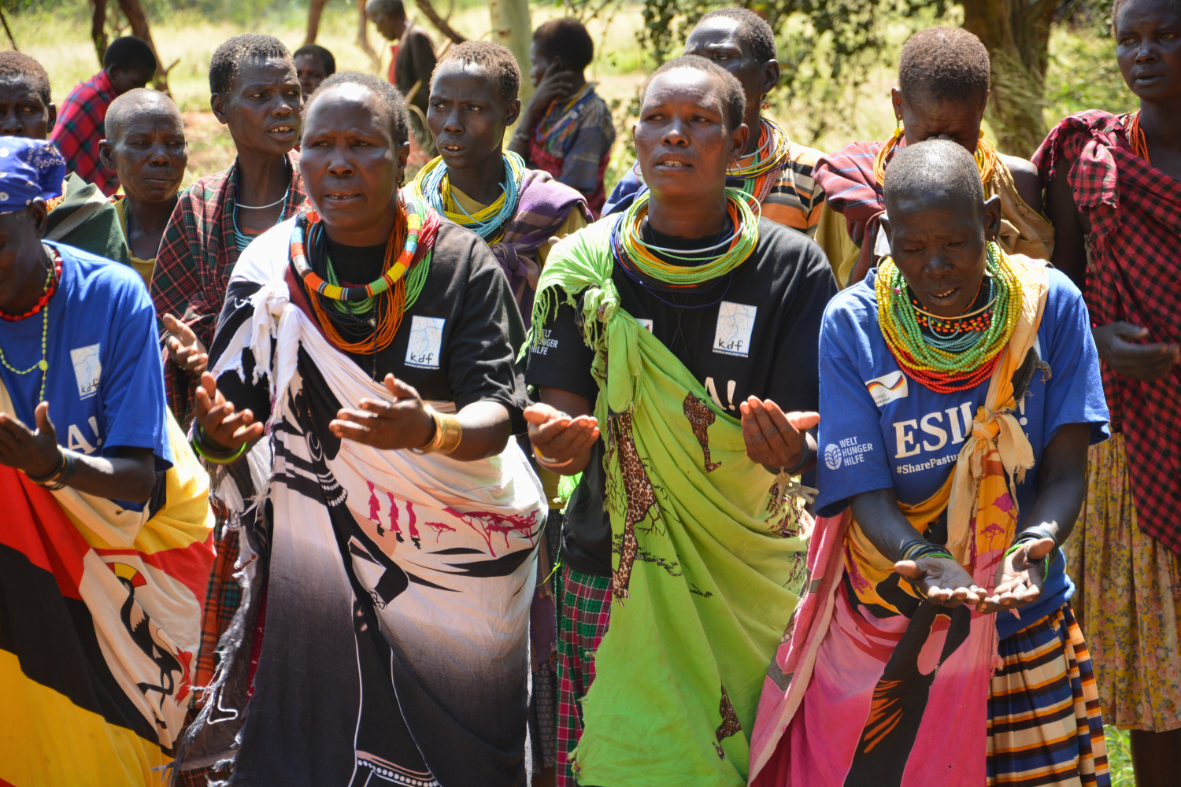
Kraal rules also regulatepeace and resource sharing. Elders often mediate conflicts more effectivelythan government officials. As an elder in Lokiriama told our team:
“Here we respect our eldersand resolve issues peacefully. Our challenge is the thieves who disrupt peace.The chief does not listen to us. If he continues, we may ask to handle our own affairs.”
Trust and the Fragility of Institutions
Mistrust in government institutions is a persistent theme across field sites. Communities described:
— Soldiers demanding bribes
— Police officers mishandling livestock recovery
— Administrators living far from the communities they serve
— Government responses that end at the border, even when animals cross
In many places, NGOs and humanitarian organizations are considered more dependable than state structures. Actors like Save the Children, LOKADO, and church organizations often provide tangible services that communities can see, access, and trust.
Yet even within pastoralist communities, trust is contested. Rival kraal leaders, corruption in recovery processes, generational conflicts, and alcohol misuse all complicate local governance.
As one Kotido elder put it:
“Youth make elders fail toexercise authority because of arguments. Alcohol has made people lose theirauthority.”
Negotiating between center and periphery
Pastoralists are acutely aware of their marginal position relative to the state. The cross-border nature of mobility, raiding, and recovery exposes structural limits of state power.
One respondent observed:
“Government works, but its mistake is that when cows are raided, they follow the tracks until they cross the border—then they surrender.”
This reveals a deeper dynamic: while the state’s security presence may be strong during crisis, its every day commitment to borderland governance remains conditional and inconsistent.
Meanwhile, pastoralists continue to rely on institutions that they trust—elders, kraal leaders,inter-clan reciprocity, and negotiated agreements.
Implications for practitioners
This research offerscritical lessons for those working in pastoralist and cross-border regions:
1. Center pastoralist agency
Communities already governthemselves through hybrid systems of elders, kraal leaders, and youth.Interventions should strengthen—not replace—these systems.
2. Rebuild trust with the state
Deep mistrust aroundsecurity, justice, and resource governance must be addressed.
3. Support hybrid governance
Dialogue between informaland formal institutions is essential in contexts where neither system alone hasfull legitimacy.
4. Develop border-sensitive approaches
Pastoralist mobility doesnot adhere to national borders. Peace initiatives and resource-sharingagreements must reflect this reality.
Looking ahead
As research with FoLT continues under the XCEPT programme, one lesson remains constant: pastoralist governance is active, adaptive, and legitimate, even when state-driven frameworks fall short. The challenge now is understanding how these local institutions can be supported, connected to broader political systems, andprotected from erosion.
A kraal elder summarizedthis governance logic best:
“I have rules each herder must follow. When norms are broken, we resolve them ourselves. If we fail, we go to the council of elders, and only then to the authorities. This is how we survive.”

.webp)